
Key Takeaways
- Snoring happens when throat tissues relax and narrow the airway during sleep.
- Your anatomy, sleep position, alcohol use, and smoking can all play a role.
- Morning headaches, dry mouth, and daytime fatigue are all potentially signs that you’re snoring.
- Snoring linked to gasping or breathing pauses may point to sleep apnea.
- Northwest Dental Centre can assess and treat sleep-related concerns in-house, no referral needed.
Snoring Has a Number of Causes
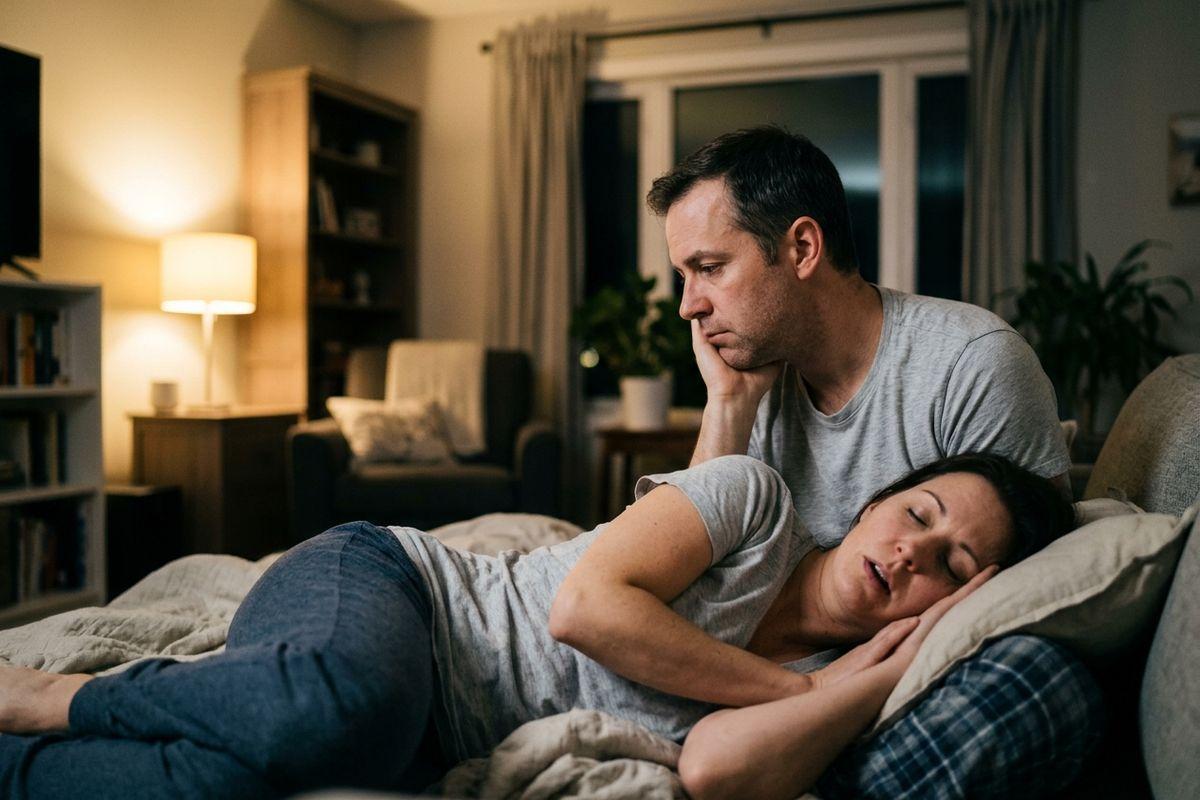
You wake up feeling like you barely slept. Your mouth is dry, your head is pounding, and your partner is giving you a look you’ve seen before. Snoring can quietly wear down your sleep quality and your health over time, and many people don’t even realise they’re doing it.
Snoring happens when the tissues in your throat relax during sleep, narrowing your airway and causing those tissues to vibrate as air pushes through.
At Northwest Dental Centre, we work with patients to resolve issues related to snoring. We offer sleep apnea and TMJ treatments in-house, so you don’t have to chase down a referral.
What Snoring Actually Is
When you fall asleep, the muscles in your throat naturally relax. For some people, that relaxation narrows the airway enough that air is forced to squeeze through with more force. This pressure causes surrounding tissue to vibrate, and that’s where the sound comes from.
Snoring once in a while after a long day or a stuffy night is common. Chronic snoring, on the other hand, happens regularly and suggests that there’s an issue that needs attention. The difference between the two matters, because ongoing snoring can affect your sleep quality in ways that add up over time.
The Main Causes of Snoring
Your Body & Anatomy
Sometimes the shape of your mouth and throat plays a role in snoring. A soft palate that sits low, a larger tongue, or enlarged tonsils can all reduce the amount of space that air has to move through while you sleep. These are things you’re born with or that develop over time, and they’re more common than most people realise.
Extra weight around the neck area can also add pressure on the airway. That added tissue narrows the passage and makes snoring more likely, especially when you’re lying down and gravity is working against you.
Habits & Lifestyle Factors
Alcohol is one of the more direct triggers of snoring. Having a drink or two before bed relaxes your throat muscles more than usual, which makes the airway more likely to partially collapse as you sleep. You might notice snoring is worse on nights when you’ve had a glass of wine with dinner.
Sleeping on your back can have a similar effect. In that position, your tongue falls backward and partially blocks the airway. Smoking is another factor, as it irritates and inflames the tissue in your throat, making it swell and vibrate more easily. The connection between lifestyle habits and airway health can be a useful first step toward figuring out what’s driving your snoring.
Signs You Might Be Snoring Without Knowing It
Not everyone has a partner around to flag the noise. Fortunately, there are a few signals your body sends that can tip you off that something’s amiss. Watch for the following signs:
- Waking up with a dry mouth or a sore throat
- Morning headaches that seem to have no clear cause
- Feeling tired even after a full night of sleep
- Trouble concentrating or staying alert at work
Sleep apnea can also be present without obvious snoring, which makes these signs especially worth paying attention to.
When Snoring Is a Red Flag
Snoring vs. Sleep Apnea
Not all snoring is the same. When snoring comes with gasping sounds, choking, or noticeable pauses in breathing, this can be a sign of sleep apnea. Sleep apnea means your airway is fully or partially closing off during sleep, causing your breathing to stop and restart repeatedly through the night. Your partner is often the first person to notice sleep apnea.
Health Risks of Ignoring Snoring
Chronic snoring and untreated sleep apnea have been linked to high blood pressure and concerns around heart health. When your body isn’t getting enough oxygen during sleep, this puts strain on your cardiovascular system night after night. Sleep deprivation affects multiple body systems in ways that go well beyond feeling tired.
Beyond the physical effects, ongoing sleep loss takes a toll on your mood, your focus, and how you feel day to day. Feeling irritable, foggy, or exhausted by mid-afternoon can often be traced back to what’s happening while you sleep.

How a Dentist in NW Calgary Can Help
In-House Sleep & TMJ Treatments
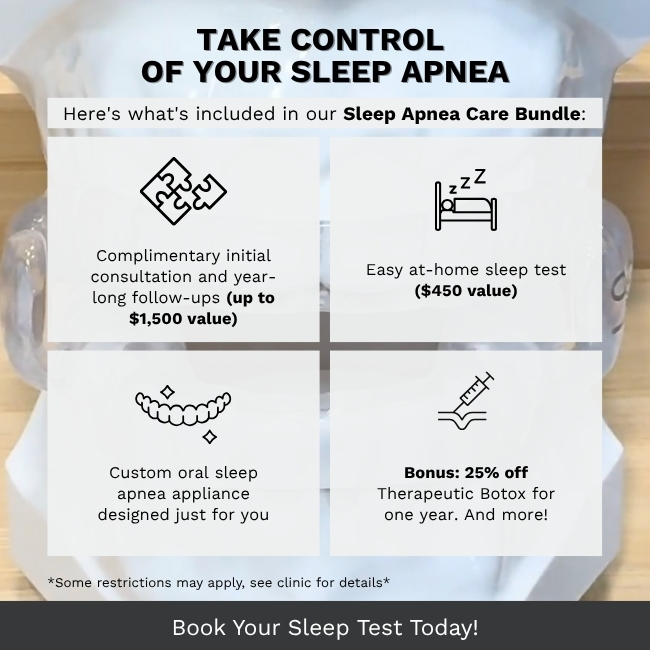
Northwest Dental Centre offers sleep apnea assessment and treatment without sending you somewhere else. Everything happens in-house, which means no waiting on referrals and no coordinating between multiple offices. That simplicity makes a real difference when you’re already dealing with disrupted sleep. You can learn more about custom dental appliances for sleep apnea and snoring and what the process looks like.
Oral appliance therapy is one of the treatment options available at our practice. These are custom-fitted devices worn during sleep that help keep your airway open by gently repositioning the jaw. They’re a practical option for people who find other approaches uncomfortable or inconvenient.
A Personalised Plan for Your Situation
There’s no one-size-fits-all answer to snoring or sleep apnea. Our team at Northwest Dental Centre takes the time to understand your situation before recommending a path forward. That means your treatment reflects what’s actually going on with your health.
We bring real experience with both TMJ and sleep-related concerns, so you’re working with people who understand how closely connected these issues can be. If you’ve been brushing off your snoring or putting off getting it looked at, a conversation with a dentist in NW Calgary can be a straightforward place to start.
Northwest Dental Centre is ready to help you figure out what’s going on and what your options are. Reach out to our team to book an appointment and get a clearer picture of your sleep health.