
Key Takeaways
- Brushing before breakfast helps protect enamel from acidic foods
- If you brush after eating, wait 30 to 60 minutes first
- Flossing before brushing helps fluoride reach more of each tooth surface
- Rinsing with water right after eating can buy your enamel some time
- Regular dental check-ups can catch small issues before they become bigger ones
You wake up, head to the kitchen, pour a cup of coffee, and maybe reach for some orange juice or toast. Brushing your teeth is probably on your to-do list, but the question of when you do it can actually affect how well your teeth hold up over time.
Northwest Dental Centre sees this come up often, and it’s one of those small daily habits that can make a real difference.
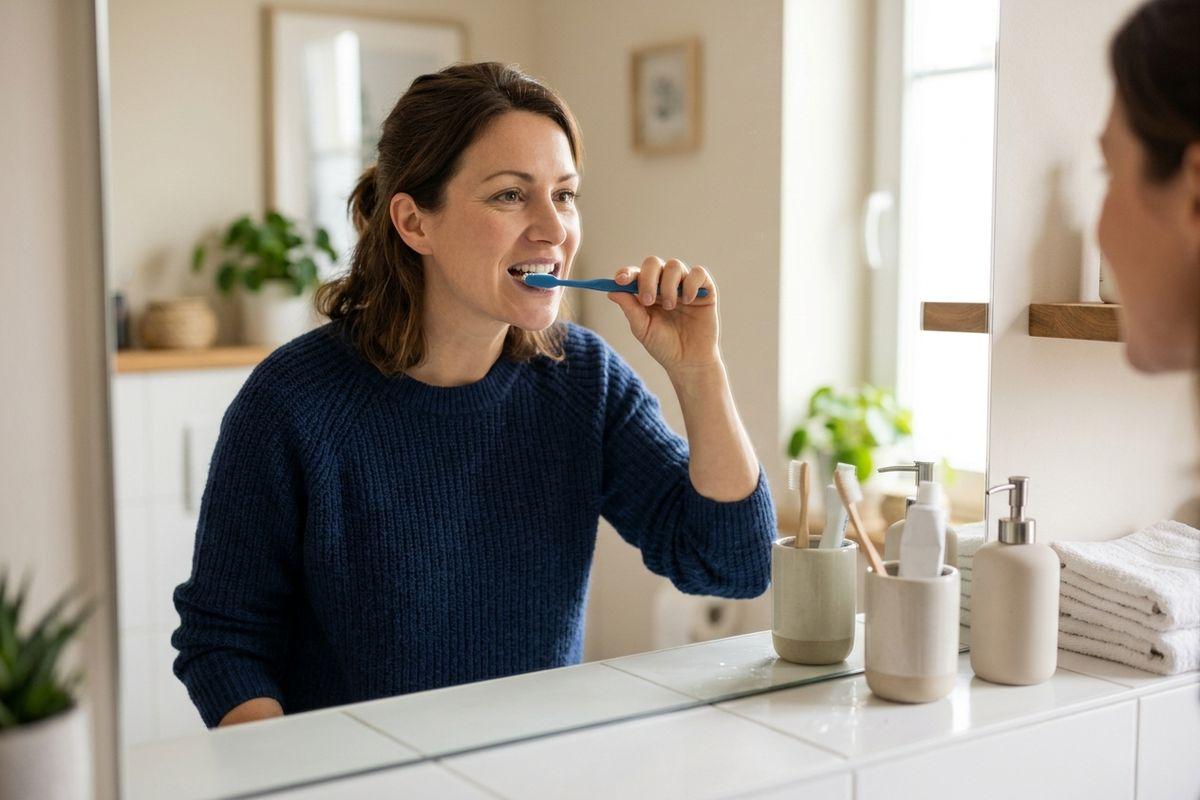
Brushing before breakfast is generally the better option for most people, but brushing after also works if you give your enamel enough time to recover first. Either way, knowing what’s happening in your mouth each morning can help you make a more informed choice.
The Case for Brushing Before Breakfast
Fluoride and Hydroxyapatite as a Protective Layer
Overnight, bacteria in your mouth multiply and produce a bacteria, a biofilm, or plaque, that sits against your teeth by morning. If you eat first thing, the mature biofilm of plaque bacteria gets first dibs at the sugar carbohydrate in the food and creates acid quickly. When you brush first thing, you clear that buildup before you add food into the mix. Think of it like wiping a surface clean before anything sticky lands on it.
Brushing with fluoride or hydroxyapatite toothpaste also leaves a thin protective coating on your enamel. That coating acts as a buffer when acidic foods like citrus, tomatoes, or coffee hit your teeth during breakfast. Fluoride and hydroxyapatite works by strengthening tooth enamel and helping repair early acid damage, so your teeth get a head start instead of taking the full impact right away.
Saliva & Bacteria Control
Brushing before you eat also kicks your saliva production into gear. Saliva plays a key role in breaking down food and naturally washing away bacteria during your meal. Starting your morning with a clean mouth and active saliva flow gives your teeth a more comfortable environment while you eat. Saliva helps remineralize tooth enamel. It does this by neutralizing mouth acids and continuously washing over your teeth to deposit crucial minerals like calcium and phosphate back into weakened enamel surfaces. Dry mouth can be more damaging than sweets. Together, dry mouth and sweets are extremely damaging.
What Happens When You Brush After Breakfast
The Acid Problem
Common breakfast foods like orange juice, yogurt, and toast with jam are more acidic than you might expect. Acids from food temporarily soften the outer layer of your enamel. If you brush right after eating, you’re scrubbing enamel that hasn’t had a chance to reharden yet.
Over time, that habit can wear enamel down in a way that’s hard to reverse. You might not notice it happening day to day, but enamel loss can eventually lead to sensitivity when you drink something cold or sweet.
The 30-to-60-Minute Rule
If brushing after breakfast is part of your routine, waiting at least 30 to 60 minutes gives your saliva time to neutralize the acids first. Your enamel gets a chance to return to its normal, harder state before the bristles make contact. That one small pause can protect your teeth in a meaningful way.
In the meantime, rinsing your mouth with plain water right after eating helps wash away some of the acid and food particles. It’s a simple step that can reduce the impact while you wait to brush.
Brushing & Flossing Tips for a Stronger Routine
Brush the Right Way
Technique matters just as much as timing. Hold a soft-bristled brush at a 45-degree angle toward your gumline, and use gentle circular motions rather than scrubbing back and forth. Pressing too hard can irritate your gums over time, even if it feels like you’re cleaning more thoroughly.
Aim for 2 full minutes each time you brush, both morning and night. A simple phone timer can help if 2 minutes feels longer than expected. Covering all surfaces, the fronts, backs, and chewing surfaces, helps remove plaque that builds up in areas that are easy to rush past. It’s good to have a strategy when you brush so you clean every surface.
Floss Before You Brush
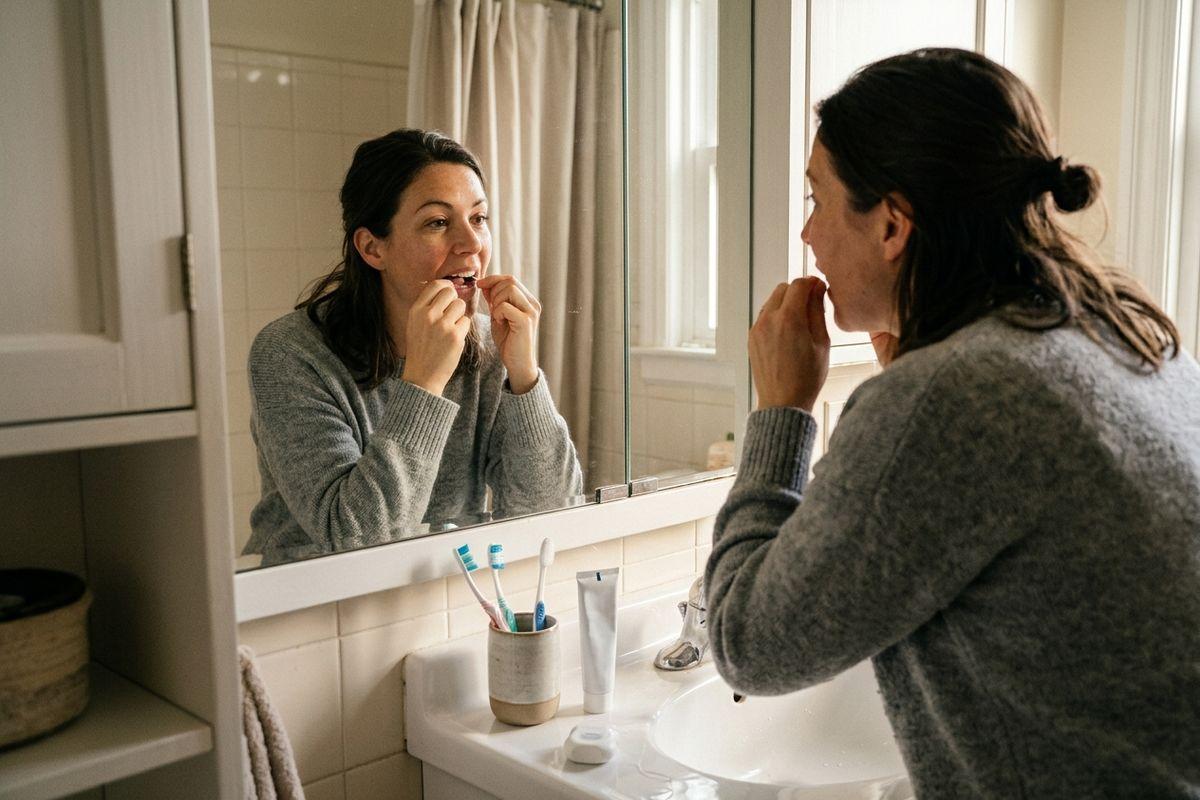
Flossing before you brush, rather than after, gives fluoride and hydroxyapatite a better chance to reach the spaces between your teeth. When you clear out food and plaque first, your toothpaste can do more thorough work. It’s a small reorder to your routine that adds up over time.
When flossing, wrap the floss in a C-shape around each tooth and gently slide it up and down rather than snapping it into your gums. Using a proper flossing technique helps remove plaque between teeth that your brush simply can’t reach, so doing this each morning or night keeps those areas consistently clean. There are some alternatives to string flossing, so ask us for alternatives if the manual dexterity to use string floss is too difficult with arthritis or tricky areas to reach.
When to See a Dentist in NW Calgary
A consistent home routine is a strong foundation, but regular dental check-ups fill in the gaps that brushing and flossing can’t cover. Tartar, which is hardened plaque, can only be removed with a professional cleaning. It builds up in areas that are easy to miss, especially along the gumline and between teeth.
A dentist in NW Calgary can also take a close look at how your enamel is holding up, catch early signs of sensitivity or wear, and give you personalized guidance based on your specific situation. What works for one person’s mouth doesn’t always work for another, so having a routine tailored to you can make your daily habits more effective.
Our team also uses Guided Biofilm Therapy to remove buildup that regular brushing leaves behind, giving your teeth a thorough clean in one visit.
Take Care of Your Teeth
Northwest Dental Centre offers a range of in-house dental exams and cleanings, so you can get the care you need without being sent to a different clinic. If you have questions about your morning routine or want to book a check-up, reach out to our team.