

Earaches don’t always have a clear cause. You’ve seen your doctor, had your ears checked, and everything looks fine. No infection, no fluid, nothing. Yet the pain, pressure, or that strange ringing sensation keeps coming back.
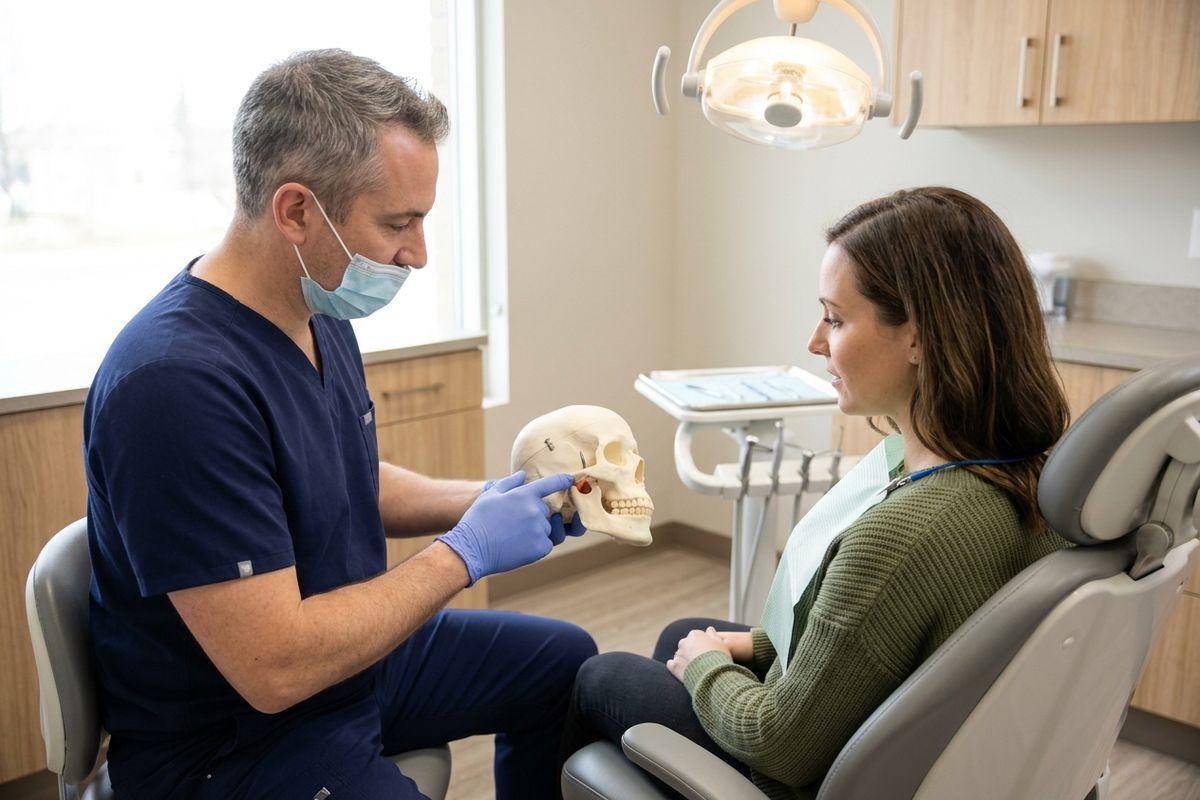
Your jaw joint, known as the temporomandibular joint or TMJ, may be behind those ear symptoms. The TMJ sits just millimetres in front of your ear canal, and the two areas share nerves and muscles. When something goes wrong with the jaw, your ears can feel it, even when there’s nothing actually wrong with your ears.
Ear Symptoms That May Point to TMJ
Jaw issues can mimic a surprising number of ear conditions. Here is what you might experience when your TMJ acts up.
Pain & Pressure
TMJ-related ear pain can feel like a dull, deep ache near or inside the ear. Sometimes it sharpens suddenly, especially when you’re chewing a tough piece of steak, yawning widely, or talking through a long conversation.
You might also notice a feeling of fullness in your ear, like it’s plugged or like you’re underwater after a swim. This sensation can come and go throughout the day, and it often worsens toward the end of the day when the jaw muscles are fatigued.
Ringing and Popping Sounds
TMJ dysfunction doesn’t always show up as pain. Some people notice a ringing, buzzing, or whooshing sound in their ears, which is called tinnitus. Others feel dizzy or slightly off-balance without any obvious cause.
A clicking or popping sound when you open your mouth wide is another common sign. You might hear it when you bite into food or when you wake up in the morning and yawn for the first time. These sounds happen because the jaw joint isn’t moving as smoothly as it should.
How to Know If TMJ Is Causing Your Ear Problems
One of the clearest signals is a pattern of ear exams that show no infection, fluid, or damage. If you’ve been treated for ear problems more than once without lasting relief, it’s worth looking at your jaw as the source.
Pay attention to whether your ear discomfort gets worse with jaw movement. If chewing, talking, or opening your mouth wide brings on ear pain or pressure, that connection may be a clue. Recurring ear pain without any clear ear-related cause is a strong reason to have your TMJ evaluated by a dentist. Temporomandibular disorders are more common than many people realize, and getting the right diagnosis early can make treatment much more straightforward.
What Puts Stress on Your Jaw Joint?
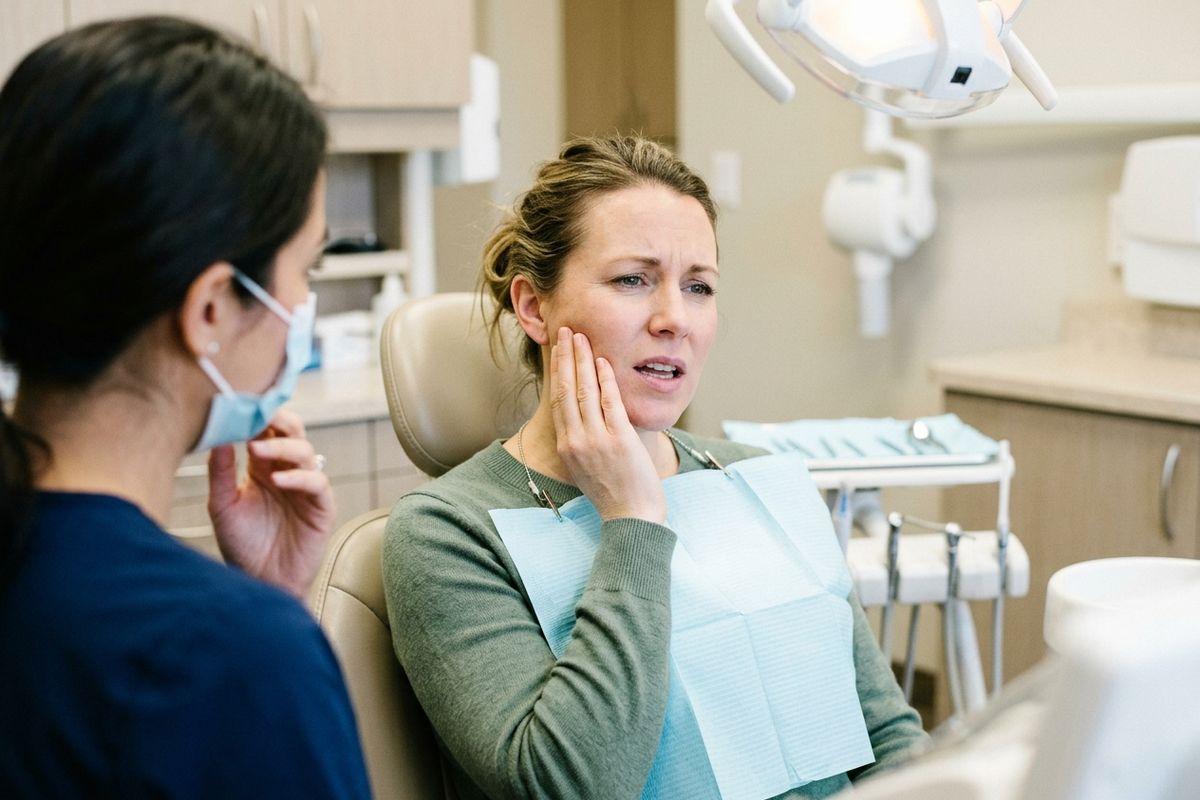
Teeth grinding and clenching, often called bruxism, is one of the most common reasons the jaw joint gets overworked. Many people do it at night without realizing it, and they wake up with jaw soreness or headaches that seem to come from nowhere. Bruxism can quietly wear down the jaw joint over time, making TMJ symptoms worse with each passing month.
But other factors play a role too. Here are a few everyday habits and events that can add steady pressure to your jaw:
- Chewing gum for extended periods.
- Sustaining a physical injury to the head or neck.
- Having an improperly fitting bite.
- Holding tension and stress in your facial muscles.
A custom-fitted mouthguard can help protect the joint from the effects of grinding and clenching, both day and night.
Finding Relief for Your TMJ Symptoms
Taking care of your jaw often involves a mix of home habits and professional dental care.
At-Home Relief
A warm compress held against the jaw for 10 to 15 minutes can help ease muscle tension and reduce discomfort. Switching to softer foods for a few days, like scrambled eggs, soup, or yogurt, gives the joint a chance to rest.
Gentle jaw stretches and habits that reduce clenching, like keeping your teeth slightly apart during the day, can also take some of the load off the joint. These steps won’t fix the underlying problem on their own, but they can make daily life more comfortable while you seek care.
Professional Dental Treatments
A dentist can assess your jaw and build a personalized treatment plan. An oral appliance may help reposition your jaw so the joint sits more comfortably and stops aggravating surrounding ear structures. A thorough evaluation might also uncover overlapping issues like sleep apnea.
Stop Letting Jaw Pain Interfere with Your Life
One of the real advantages of choosing a dentist like Northwest Dental Centre is that our team handles everything in-house. There’s no need to chase down referrals or coordinate between multiple clinics. You get a full picture of what’s going on and a clear path forward, all in one appointment.
Avoid bouncing between clinics and get a complete picture of your oral health in one place. Reach out to the team today to get started.